Understanding Bike Gears and How to Use Them Effectively
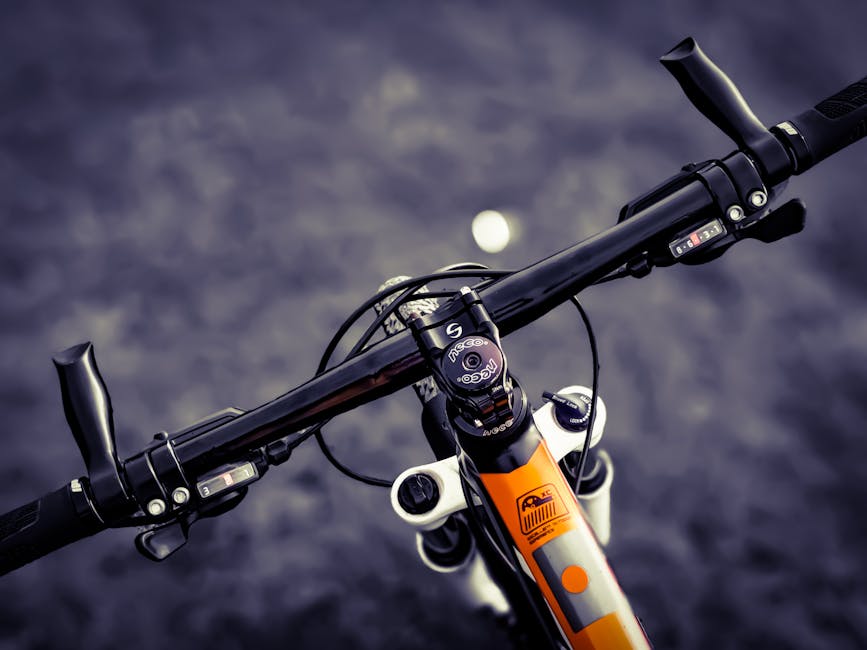
Many cyclists don't fully understand their bike's gearing system, which means they're not riding as efficiently as they could be. Using gears correctly reduces fatigue, protects your joints, and makes cycling more enjoyable. Whether you have a simple three-speed or a complex 21-speed system, the principles remain the same.
How Gears Work
Gears change the mechanical advantage between your pedals and the wheel. A lower gear is easier to pedal but moves you forward slower—useful for climbing hills. A higher gear requires more effort to pedal but covers more ground with each revolution—useful for flat terrain and speed. Think of gears as tools: you wouldn't use a hammer to drive a screw, just as you wouldn't use a high gear to climb a steep hill.
Finding Your Cadence
Cadence is how many times you pedal per minute. Aim for 80-100 pedal revolutions per minute for steady riding. This rhythm is efficient and sustainable. If you're pedalling slowly and struggling, you're in too high a gear. If you're spinning quickly without much forward movement, you're in too low a gear. Finding the right gear for your cadence is key to efficient cycling.
When to Change Gears
Change gears before you need to, not after you're struggling. If you see a hill approaching, shift down to an easier gear whilst you still have momentum. Trying to shift under extreme strain can damage your drivetrain and is harder on your body. Similarly, shift to higher gears as terrain flattens to maintain your cadence.
Hill Climbing Strategy
Approach hills in a gear that lets you maintain 70-80 revolutions per minute. Spinning easier gears is better than grinding in high gears, which strains your knees. On steep hills, drop to your easiest gear without embarrassment—climbing in an appropriate gear is far more efficient than struggling. Many experienced cyclists use their lowest gears on hills.
Flat Terrain and Speed
On flat ground, use moderately high gears that feel comfortable at your target cadence. You might use middle to high gears for steady cruising, or higher gears if you're pushing for speed. Experiment to find what feels natural. The right gear should feel like a moderate effort, not too easy and not straining.
Avoiding Common Mistakes
Don't cross-chain—using the largest chainring with the largest sprocket, or the smallest chainring with the smallest sprocket. This creates excessive angle in the chain and causes noise and wear. Don't shift multiple gears at once; shift one at a time to avoid chain problems. Don't shift under extreme load; ease off pedal pressure slightly when shifting for smoother transitions.
Maintaining Your Gears
A clean, well-lubricated chain shifts smoothly. Keep your drivetrain clean and use appropriate chain lube. Have your gears adjusted professionally if shifting feels sluggish or imprecise. Proper maintenance makes a huge difference in how well your gears work.
Practice Makes Perfect
Using gears effectively takes practice. Spend a few rides consciously thinking about your cadence and gear selection. Soon it becomes instinctive, and you'll ride more efficiently with less fatigue. Good gear usage is one of the biggest improvements new cyclists can make.